Buy now, pay later with Afterpay and Zip

Proudly Australian Owned and Operated


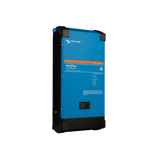
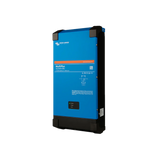
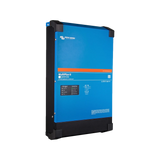
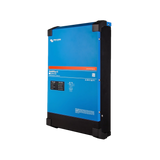
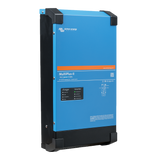
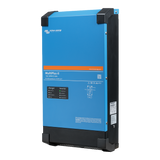
Victron 2000W/80A 12V Multiplus Inverter Charger (Lithium Compatible)

Regular price $1,45700

  • 5 Year Warranty

Fast dispatch

Easy returns

  • 5 Year Warranty

Fast dispatch

Easy returns

2000W pure sine wave inverter

80A adaptive battery charger

PowerAssist grid boosting


  • Visa
  • Mastercard
  • PayPal
  • Apple Pay
  • Google Pay
  • Shop Pay
  • Afterpay
  • Zip

Victron 2000W/80A 12V Multiplus Inverter Charger (Lithium Compatible)

Overview

Product Information

Product Description

The Victron MultiPlus combines a 2000W pure sine wave inverter with a sophisticated 80A adaptive battery charger and a high speed 32A transfer switch. Its PowerAssist technology intelligently boosts a limited AC source like a generator or shore power, using battery energy to handle peak loads and prevent overloads.

In the event of a grid failure, it becomes a seamless uninterruptible power supply, switching over in less than 20 milliseconds to keep sensitive electronics running without disruption. The system is highly scalable for higher output and allows for complete remote monitoring and control through the free VRM portal when paired with a GX device.

Disclaimers

All product information and images are sourced from manufacturer descriptions and may be updated by the manufacturer without notice to us.

Key Features

  • 2000W pure sine wave inverter
  • 80A adaptive battery charger
  • PowerAssist grid boosting
  • 32A automatic transfer switch
  • Four stage adaptive charging

Pack Contents

  • 1 x Victron Multiplus 12/2000/80-32 (Lithium Compatible)
  • 1 x user manual

Product Weight & Dimensions

  • 15kg
  • 506mm (L) x 234mm (W) x 146mm (H)

Specifications

Victron 2000W/80A 12V Multiplus Inverter Charger (Lithium Compatible)
Vendor Victron

FAQs

Frequently Asked Questions

What is a 12V power system?

A 12V power system is the electrical ecosystem that allows you to run appliances and accessories in your vehicle or camper without being connected to mains electricity. It typically consists of three main parts: a storage source, a charging source, and the devices that consume the energy. By using a dedicated auxiliary battery, you can run lights, fans, and refrigeration while keeping your vehicle starter battery protected.

The goal of a well designed setup is to balance how much energy you use with how much you can replace through solar or your vehicle alternator. This self sufficiency is what enables long term travel in remote areas. Having a coordinated system reduces the friction of camp life and provides the comfort of home while you are off the grid.

How do I work out how much power I need for my camping setup?

To work out your power requirements, you must calculate the total daily amp hour consumption of every 12V device in your setup. The most effective method is to identify the current draw of each appliance in amps and multiply that figure by the number of hours it will run each day.

Your 12V fridge is typically the primary load, often consuming between 30 and 60 amp hours over 24 hours depending on the outside temperature. Combining this with smaller draws from LED lights, water pumps, and charging phones provides your total daily usage. Adding a 20 percent buffer to this total is a practical way to account for hotter days or extra device use. Browse our selection of 12V deep cycle batteries to find a storage solution that matches your daily needs, or explore our portable fridge freezers to see specific consumption data.

AGM vs Lithium: Which is better for a 12V setup?

Lithium batteries provide a superior balance of weight and usable energy for most off grid setups. While an AGM battery should only be discharged to fifty percent to avoid damage, a lithium unit allows you to use nearly all its capacity safely. This efficiency means you get more runtime for your appliances from a power source that weighs significantly less.

Choosing between them depends on your budget and how often you travel. AGM remains a practical and maintenance free option for occasional users. For long term touring, lithium is a better investment because it handles thousands of charge cycles and maintains a stable voltage throughout the discharge. You can compare our range of Lithium Batteries with our AGM Deep Cycle Batteries to see which fits your specific build requirements.

Should I buy individual 12V components or a complete integrated power system?

Choosing between individual components and an integrated setup depends on your technical confidence and how specific your requirements are. Selecting individual parts allows you to customize every aspect of your system, which is helpful if you are working with unusual spaces or have specific energy needs. This path offers complete control over each brand and capacity you select, though it requires more planning and wiring during the fit out.

An integrated power system provides a professional, pre wired solution where the core chargers and monitors are already mounted and linked. This approach significantly reduces installation time and minimizes the risk of errors during the build. These boards provide a clean finish and are often the preferred choice for a plug and play experience in a canopy or van. Browse our range of 12V Power Systems to see pre configured options, or explore our selection of DCDC Chargers to start building your own custom setup.

What does an inverter do in a 12V system?

An inverter transforms 12V DC power from your battery bank into 240V AC electricity, which matches the power found in a standard home wall socket. This allows you to run common household appliances such as laptops, coffee machines, and power tools while you are away from mains power. Choosing a pure sine wave model is the best way to protect sensitive electronics from damage caused by unstable electrical output.

Operating high draw appliances places a significant load on your battery system, so you must use correctly sized cabling and circuit protection for safety. Most travelers select an inverter wattage based on their most demanding device. Explore our selection of 12V pure sinewave inverters for consistent and clean performance.

Why do I need a battery monitor with a shunt?

A shunt provides a precise reading of your battery bank state of charge by measuring the actual flow of current entering and leaving the system. This method is far more accurate than a simple voltmeter, as voltage readings often fluctuate under heavy loads or while charging. By tracking every amp hour used, a shunt based monitor gives you a true percentage of remaining energy, helping you manage your appliances without guesswork.

Using this data allows you to protect your power source from deep discharge and helps you plan your recharges based on the sun or driving time. This level of visibility is particularly important for high value setups where maintaining battery health is a priority. Browse our range of battery monitors and shunts to find a precision tracking solution, or explore our high capacity 12V deep cycle batteries for your next build.

Do battery monitors drain the battery?

Battery monitors consume a very small amount of energy to operate, typically drawing only a few milliamps. This current draw is negligible and will not significantly impact your battery bank state of charge, even over long periods of storage. They are engineered to remain active at all times so they can accurately track energy flow without becoming a burden on the system.

The benefit of having accurate data on your power levels far outweighs the tiny amount of energy used by the device. Without a monitor, you risk deep discharging your battery, which causes far more permanent damage than the low power consumption of a shunt based system. It is a practical and safe addition to any off grid setup.

Downloads