Buy now, pay later with Afterpay and Zip

Proudly Australian Owned and Operated


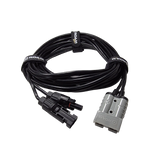
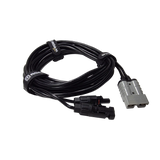
Roam Gear 5m Anderson to Anderson Extension Lead

Regular price $3995

  • 12 Month Warranty

Fast dispatch

Easy returns

  • 12 Month Warranty

Fast dispatch

Easy returns

5m twin-core 4mm² (12 AWG) PV cable

Genuine 50A Anderson plug machine crimped to each end

40A continuous, 50A maximum current rating


  • Visa
  • Mastercard
  • PayPal
  • Apple Pay
  • Google Pay
  • Shop Pay
  • Afterpay
  • Zip

Partner programs

Roam Gear 5m Anderson to Anderson Extension Lead

Overview

Product Information

Product Description

Extends the run between a portable solar panel or battery box and your vehicle or camp, so the panel can sit in the sun while you park in the shade. An Anderson plug is fitted to each end. Check the plugs on your panel and vehicle share the same series and keying before relying on the connection. The tinned copper conductors minimise voltage drop over the 5m length, and the crimped ends give a vibration proof connection.

Disclaimers

All product information and images are sourced from manufacturer descriptions and may be updated by the manufacturer without notice to us.

Key Features

  • 5m twin-core 4mm² (12 AWG) PV cable
  • Genuine 50A Anderson plug machine crimped to each end
  • 40A continuous, 50A maximum current rating
  • Oxygen-free tinned copper conductors
  • Three cable straps included
  • UV resistant outer insulation

Pack Contents

  • 1 x 5m Anderson to Anderson extension lead
  • 3 x cable straps

Product Weight & Dimensions

  • 0.519kg
  • 340mm (L) x 270mm (W) x 30mm (H)

Specifications

Roam Gear 5m Anderson to Anderson Extension Lead
Vendor Roam Gear

FAQs

Frequently Asked Questions

What size solar cable do I need for a 12V system?

Choosing the right cable size depends on the total wattage of your solar array and the distance the power needs to travel to reach your battery. For most single panel setups up to 200W, a 6mm² or 8mm² twin core solar cable is the standard choice for maintaining efficiency.

Using cable that is too thin will lead to voltage drop, which starves your battery of the energy your panels are generating. If you are building a larger system with multiple panels or running a long line from a roof rack down to a canopy, stepping up to a heavier gauge wire is a smart move. This ensures the maximum possible amperage reaches your regulator, keeping your fridge and lights running for longer.

Explore our 12V Solar Panels to find your panel specs, or see our range of Solar Controllers to manage the incoming power.

How long can a 12V solar cable be before voltage drop occurs?

Every metre of cable adds resistance, so it is best to keep your solar runs as short and direct as possible. Significant voltage drop typically begins to affect charging performance once the cable length exceeds five to six metres, especially if you are using standard thickness wiring.

If your setup requires a long reach, such as using a portable panel away from a shaded campsite, you must use a heavier gauge cable to compensate for the distance. Keeping the voltage drop under 3 percent is the goal for a healthy 12V system. This ensures that the energy harvested by your panels is not lost as heat before it ever reaches your storage.

See exactly how your system is performing with our Battery Monitors, or find more storage capacity in our 12V Batteries collection.

Can I use normal electrical wire for a 12V solar panel?

Standard household or automotive wire is not recommended for solar installations because it lacks the necessary UV protection and weather resistance. Dedicated solar cable features a double insulated outer sheath designed to survive years of exposure to the harsh Australian sun, rain, and red dust on your roof racks.

Standard wire can become brittle and crack when exposed to UV light, which leads to short circuits or poor conductivity. Solar specific cabling also uses fine stranded tinned copper to resist corrosion and provide better flexibility, making it much more reliable for vehicle and marine environments. Using the right materials from the start prevents costly failures deep in the bush.

Find the right hardware for your roof in our Solar Panel Mounting Brackets collection.

Do I need an inline fuse for my solar panel cable?

Installing an inline fuse is a critical safety step for any solar setup. The fuse protects your wiring and components from damage if a short circuit occurs between the panels and the regulator. Without one, a fault could lead to overheating or an electrical fire, especially on permanent roof mounted systems where cables pass through vehicle panels.

The fuse should be rated slightly higher than the maximum amperage your solar array can produce. For most single panel setups, a 15A to 20A fuse is sufficient. Placing the fuse as close to the power source as possible provides the best protection for the entire length of the cable. It is a simple and affordable bit of insurance for your off grid power system.

Explore our range of electrical accessories to find the right safety gear for your project.