Buy now, pay later with Afterpay and Zip

Proudly Australian Owned and Operated


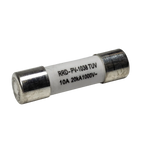
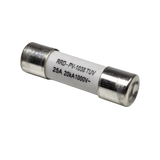
Roam Gear 25A MC4 Inline Replacement Fuse

Regular price $600

  • 12 Month Warranty

Fast dispatch

Easy returns

  • 12 Month Warranty

Fast dispatch

Easy returns

25A solar (PV) fuse cartridge

Replacement for MC4 inline fuse holders

Sold individually so you can stock spares


  • Visa
  • Mastercard
  • PayPal
  • Apple Pay
  • Google Pay
  • Shop Pay
  • Afterpay
  • Zip

Partner programs

Roam Gear 25A MC4 Inline Replacement Fuse

Overview

Product Information

Product Description

A spare cartridge for an MC4 inline fuse holder of the same rating, worth keeping in the glovebox so a blown fuse does not end solar charging mid-trip. Fit only the rating your panel or charge controller documentation specifies, and check the cartridge size matches your holder before ordering.

Disclaimers

All product information and images are sourced from manufacturer descriptions and may be updated by the manufacturer without notice to us.

Key Features

  • 25A solar (PV) fuse cartridge
  • Replacement for MC4 inline fuse holders
  • Sold individually so you can stock spares
  • Also available in 10A, 15A and 20A
  • Silver-plated contacts for low resistance and heat dissipation
  • Fast acting, tool-free replacement

Pack Contents

  • 1 x 25A MC4 inline replacement fuse

Product Weight & Dimensions

  • 0.01kg
  • 38mm (L) x 10mm (W) x 10mm (H)

Specifications

Roam Gear 25A MC4 Inline Replacement Fuse
Vendor Roam Gear

FAQs

Frequently Asked Questions

Are MC4 adaptors compatible with all brands of solar panels?

MC4 adaptors work with most major brands because the connector design is an industry standard for solar panels. If your panel features two leads with single pin locking plugs, these adaptors will likely fit perfectly. This universal design allows you to mix and match portable gear with permanent roof panels without needing custom wiring.

It is always a smart move to visually confirm the plug style matches your rig before purchasing. While the housing is standard, some cheaper panels use non standard connectors that might require a different adaptor. Explore our 12V Solar Panels to see compatible setups, or see our MC4 Connectors for individual parts.

How do I ensure the polarity is correct when using an MC4 to Anderson adaptor?

Use a voltmeter to verify which lead is carrying the positive charge before you plug it into your regulator. While most adaptors follow standard color coding where red is positive, some panel manufacturers vary their wiring. Testing the output is the only way to be certain the current is flowing the right way into your battery.

Reversing the polarity can damage your charging hardware or blow your system fuses instantly. Checking the voltage is a quick task that prevents a costly mistake during setup. Browse our Solar Controllers to find a unit with integrated protection against incorrect connections.

Do I need an inline fuse on an MC4 to Anderson solar adaptor?

Adding an inline fuse is a smart safety choice to protect your system from a short circuit. If the solar cable gets damaged or pinched, the fuse will trip and cut power before the heat causes an electrical fire. This is particularly important for portable setups where cables often run across the ground.

The fuse acts as a safety barrier between your power harvest and your storage. This is a small bit of insurance that brings confidence when you are parked up off grid. Find the right safety gear in our Solar Accessories collection to safeguard your next build.

Are MC4 to Anderson plug adaptors completely waterproof?

The MC4 side of the adaptor is built to be waterproof for permanent roof mounting. The Anderson plug side is weather resistant but remains vulnerable to moisture and red dust if left fully exposed. To maintain a functional setup, you should keep the Anderson connection in a protected spot such as a battery box or under a canopy.

This prevents terminal corrosion and maintains a strong flow of power to your batteries. If you must use the plug in an exposed area, using a rubber dust cover or an angled housing is a practical way to shed rain. Keeping your connections dry and clean prevents the high resistance points that can derail a trip.