Buy now, pay later with Afterpay and Zip

Proudly Australian Owned and Operated


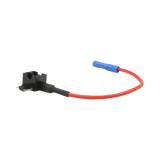
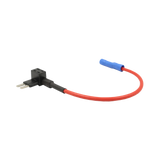
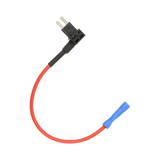
Rekcharge Micro Blade Fuse Tap Holder

Regular price $750

  • 12 Month Warranty

Fast dispatch

Easy returns

  • 12 Month Warranty

Fast dispatch

Easy returns

Micro blade fuse tap

Add new electrical circuits

No wire splicing or crimping


  • Visa
  • Mastercard
  • PayPal
  • Apple Pay
  • Google Pay
  • Shop Pay
  • Afterpay
  • Zip

Rekcharge Micro Blade Fuse Tap Holder

Overview

Product Information

Product Description

Add new electrical circuits cleanly and securely with this Rekcharge micro blade fuse tap. It plugs directly into an existing fuse slot, giving you a safe power source for accessories like dash cams or chargers without any wire splicing or crimping. It's the simple way to keep your wiring organised and get you out exploring sooner.

Disclaimers

All product information and images are sourced from manufacturer descriptions and may be updated by the manufacturer without notice to us.

Key Features

  • Micro blade fuse tap
  • Add new electrical circuits
  • No wire splicing or crimping
  • Powers dash cams & chargers
  • Clean and secure installation

Pack Contents

  • 1 x Micro Blade Fuse Tap Holder

Specifications

Rekcharge Micro Blade Fuse Tap Holder
Vendor Rekcharge

FAQs

Frequently Asked Questions

How do i calculate what size 12v fue i ned fo an accessory?

Choose a fuse that is approximately 25 percent higher than the continuous current draw of your accessory. This provides a safety buffer for startup peaks while protecting your wiring from overheating. If a device draws 10 amps, a 15 amp fuse is typically the best choice.

Check the data sheet of your gear for the maximum current rating. Matching the fuse to your cable capacity is also vital to prevent the wire from melting before the fuse blows. Explore our LED Lighting Accessories to see typical draw for camp lights and find matching protection.

How close to the battery should a 12v fuse be installed?

Install the fuse as close to the battery terminal as possible, ideally within 300mm. This positioning protects the entire length of the cable from short circuits caused by vibration or damage. A fuse located further down the line leaves the section of wire before it unprotected, which creates a fire hazard if the insulation fails.

Using high quality cabling supports this protection by handling the heat and vibration of off road travel. Browse our Battery Cable collection for custom lengths and heavy duty wiring options for your installation.

MIDI vs MEGA fuse: What is the difference for a dual battery system?

MIDI fuses are smaller and typically rated up to 100 amps, while MEGA fuses are larger and handle currents up to 300 amps or more. Both styles feature bolt down terminals that provide a secure connection for high vibration environments. MIDI fuses are often used for individual accessory circuits or DC to DC chargers.

MEGA fuses are better for main battery links or small inverters where current flow is higher. Match your choice to the total load of your build to keep your charging system functioning safely. See our complete Dual Battery Systems for installation ideas and hardware.

ANL fuse vs MEGA fuse for an inverter: Which is safer?

Both ANL and MEGA fuses are safe for inverters because they both use a mechanical bolt down fixing. This design reduces resistance and heat buildup compared to push fit blade fuses. MEGA fuses are more common in 12V setups because the holders are compact and easy to mount in tight spaces.

ANL fuses are typically available in even higher amperage ratings for massive power needs. Choose the style that best fits your mounting space and cable size. Providing a secure and low resistance connection is the best way to keep your inverter performing through heavy off grid use.